
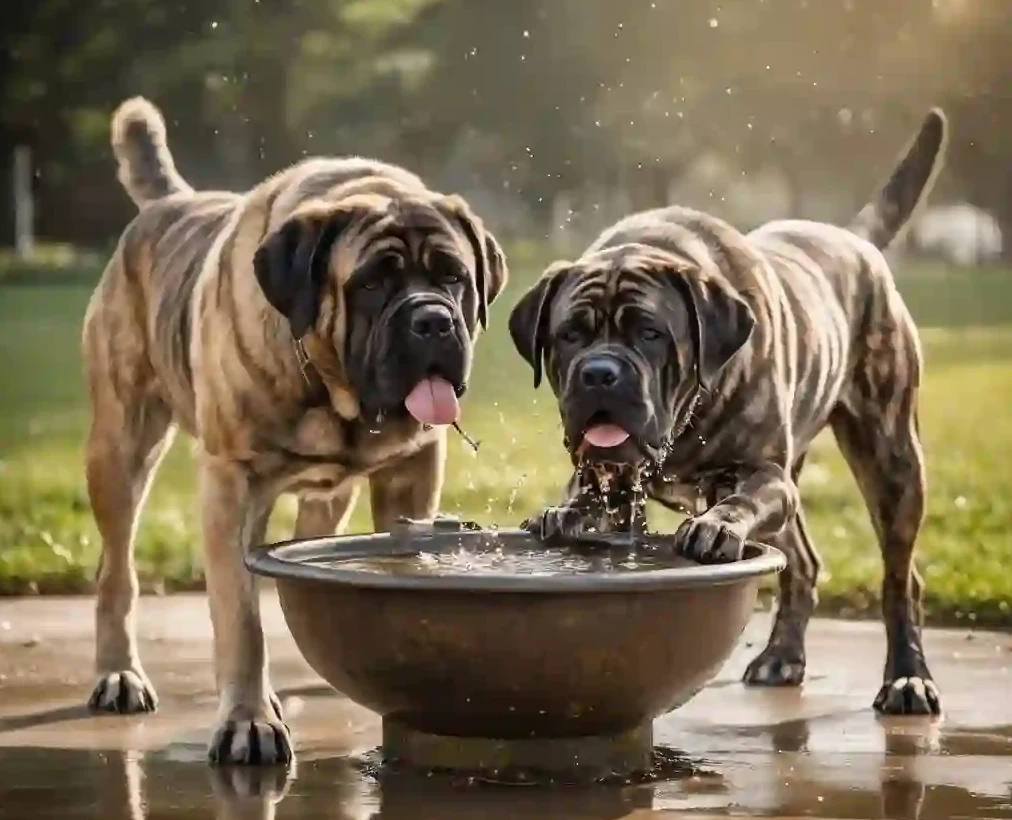
 Summer is here, and while we’re all dreaming of sunshine and outdoor adventures, our beloved Mastiffs might be feeling a little less enthusiastic. These gentle giants, with their thick coats and brachycephalic (short-nosed) features, are particularly susceptible to overheating.
But don’t worry, fellow Mastiff lovers! With the right knowledge and precautions, you can ensure your furry friend stays safe, comfortable, and happy all summer long. This is your comprehensive guide to tips for hot weather with Mastiffs and the importance of Mastiff summer care.
Understanding the Challenges: Why Mastiffs Struggle in the Heat
Before diving into specific tips for hot weather with Mastiffs, it’s crucial to understand why these breeds are more vulnerable to heatstroke than others. Several factors contribute:
- Thick Coats: That beautiful, dense coat that keeps them warm in winter becomes a liability in the summer. It traps heat and hinders their ability to cool down efficiently.
- Brachycephalic Anatomy: Their shortened snouts make panting, their primary cooling mechanism, less effective. They have to work harder to circulate air and dissipate heat.
- Large Size: Their sheer size means they generate more body heat and have a harder time getting rid of it.
- Heart Conditions: Mastiffs are predisposed to certain heart conditions, which can be exacerbated by heat stress.
- Age: Both very young puppies and senior Mastiffs are more vulnerable to heat.
Understanding these challenges is the first step in providing the best Mastiff summer care.
Recognizing the Signs: Heatstroke in Mastiffs
Early detection is key to preventing serious complications from heatstroke. Knowing the signs can save your Mastiff’s life. Here’s what to watch out for:
- Excessive Panting: This is usually the first sign. While panting is normal, excessive or rapid panting is a red flag.
- Drooling: Increased drooling, especially thick, sticky saliva.
- Reddened Gums and Tongue: A sign that their body temperature is rising.
- Weakness or Lethargy: They may seem tired, unsteady on their feet, or reluctant to move.
- Vomiting or Diarrhea: These can be signs of severe heatstroke.
- Increased Heart Rate: You may be able to feel their heart racing.
- Muscle Tremors: Shaking or twitching.
- Seizures: A very serious sign of advanced heatstroke.
- Collapse: Loss of consciousness.
If you notice any of these signs, act immediately! Move your Mastiff to a cool place, offer them cool (not ice-cold) water, and use cool, wet towels to lower their body temperature. Focus on their neck, armpits, and groin area. Contact your veterinarian immediately, even if your dog seems to be recovering. Heatstroke can cause internal organ damage that isn’t immediately apparent.
Proactive Prevention: Essential Tips for Hot Weather with Mastiffs
Prevention is always better than cure. These proactive tips for hot weather with Mastiffs will help keep your furry friend safe and comfortable all summer long:
1. Hydration is Key
- Fresh Water Always: Ensure your Mastiff has access to fresh, cool water at all times. Carry a portable water bowl and bottle when you’re on the go.
- Multiple Water Stations: Place water bowls in multiple locations around your house and yard.
- Consider a Dog Water Fountain: These fountains provide a constant supply of fresh, filtered water and can encourage your Mastiff to drink more.
- Electrolyte Supplements: On particularly hot days or after strenuous activity, consider adding an electrolyte supplement to their water to help replenish lost minerals. Consult with your vet about the appropriate dosage.
- Wet Food: Supplement dry food with wet food to increase water intake.
2. Timing is Everything: Adjusting Exercise Routines
- Avoid Peak Heat: Exercise your Mastiff during the cooler parts of the day, such as early morning or late evening.
- Shorter Walks: Reduce the length and intensity of walks during hot weather.
- Stick to the Shade: Walk on grassy areas or shaded paths whenever possible. Avoid hot asphalt, which can burn their paws.
- Water Breaks: Take frequent water breaks during walks.
- Know Your Dog’s Limits: Pay attention to your Mastiff’s body language and stop exercising if they show any signs of overheating.
- Indoor Activities: Engage in indoor activities like puzzle toys, training sessions, or gentle play to keep them mentally stimulated without overexerting them.
3. Creating a Cool Environment
- Air Conditioning is Your Best Friend: If possible, keep your Mastiff in an air-conditioned environment during the hottest parts of the day.
- Fans are Helpful: If you don’t have air conditioning, use fans to circulate air. Place a fan near their bed or favorite resting spot.
- Cooling Mats: Invest in a cooling mat designed for dogs. These mats contain a gel that absorbs heat and provides a cool surface for your Mastiff to lie on.
- Wet Towels: Place a cool, wet towel on your Mastiff’s back or neck.
- Kiddie Pool Fun: Provide a shallow kiddie pool filled with cool water for them to splash and play in. Always supervise them around water.
- Shady Retreats: Ensure they have access to plenty of shade in your yard. Trees, umbrellas, or dog houses can provide much-needed relief from the sun.
- Basement Access: If you have a basement, it’s often cooler than the upper floors of your house. Encourage your Mastiff to spend time there.
4. Grooming for Summer: Helping Them Shed
- Regular Brushing: Brush your Mastiff regularly to remove loose fur and prevent matting. This will help improve airflow and keep them cooler.
- Consider a Summer Haircut (With Caution): While you shouldn’t shave your Mastiff completely, you can consider a light trim to thin out their coat. Consult with a professional groomer to determine the best approach for your dog’s coat type.
- Paw Protection: Consider using paw wax or booties to protect their paws from hot surfaces.
5. Car Safety: Never Leave Your Mastiff Unattended
- Never Leave Them in a Parked Car: Even on a mild day, the temperature inside a parked car can rise rapidly to dangerous levels. Leaving the windows cracked is not enough.
- Plan Your Trips: If you need to run errands, leave your Mastiff at home where they’re safe and cool.
- Portable Cooling: If you must travel with your Mastiff, use a portable fan or cooling mat to keep them comfortable.
- Frequent Stops: Take frequent stops to offer them water and let them cool down.
6. Diet Adjustments: Lighter Meals
- Smaller, More Frequent Meals: Consider feeding your Mastiff smaller, more frequent meals during the summer to help with digestion and prevent overheating.
- Avoid Heavy Foods: Opt for lighter, easily digestible foods.
- Frozen Treats: Offer frozen treats like ice cubes, frozen yogurt, or homemade dog-friendly popsicles.
7. Monitoring and Awareness
- Know Your Dog’s Baseline: Pay attention to your Mastiff’s normal behavior and activity levels so you can quickly identify any changes that might indicate heat stress.
- Check the Weather: Be aware of the daily forecast and adjust your plans accordingly.
- Trust Your Instincts: If you’re concerned about your Mastiff’s well-being, err on the side of caution and take steps to cool them down.
Debunking Myths: What NOT to Do for Mastiff Summer Care
It’s important to separate fact from fiction when it comes to Mastiff summer care. Here are some common myths and why you should avoid them:
- Myth: Shaving Your Mastiff Will Keep Them Cool. Fact: Shaving can actually do more harm than good. Their coat provides insulation from the sun and helps regulate their body temperature. Shaving removes this natural protection and can increase their risk of sunburn and heatstroke.
- Myth: Ice Water is the Best Way to Cool Them Down. Fact: While cool water is good, ice-cold water can cause shock and constrict blood vessels, making it harder for them to cool down.
- Myth: A Fan is Enough to Keep Them Cool in Extreme Heat. Fact: Fans can help, but they’re not a substitute for air conditioning in very hot weather. Fans circulate air, but they don’t lower the overall temperature.
- Myth: If They’re Panting, They’re Just Fine. Fact: Panting is a normal cooling mechanism, but excessive panting is a sign of heat stress. Don’t ignore it!
First Aid for Heatstroke: What to Do in an Emergency
Despite our best efforts, heatstroke can still happen. Knowing how to respond quickly can make all the difference. Here’s what to do:
- Remove from Heat: Immediately move your Mastiff to a cool, shaded area or an air-conditioned space.
- Cool Down:
-
- Apply cool (not ice-cold) water to their body, focusing on their neck, armpits, and groin area.
- Use a fan to circulate air around them.
- Place cool, wet towels on their body.
- Offer Water: Provide small amounts of cool water to drink. Don’t force them to drink if they’re not interested.
- Monitor Temperature: If possible, take their temperature rectally. Normal body temperature for a dog is between 101°F and 102.5°F (38.3°C and 39.2°C). Aim to lower their temperature to around 103°F (39.4°C).
- Seek Veterinary Care: Contact your veterinarian immediately, even if your dog seems to be recovering. Heatstroke can cause internal organ damage that isn’t immediately apparent. They may need intravenous fluids, oxygen therapy, or other treatments.
Long-Term Health Considerations: Protecting Your Mastiff’s Well-being
Protecting your Mastiff from heatstroke is not just about immediate safety; it’s also about their long-term health. Repeated episodes of heat stress can contribute to chronic health problems, especially heart and kidney issues.
- Regular Vet Checkups: Schedule regular checkups with your veterinarian to monitor their overall health and address any potential concerns.
- Heart Health: Discuss heart health with your vet, especially if your Mastiff is predisposed to heart conditions.
- Kidney Function: Monitor their kidney function, as heatstroke can damage the kidneys.
- Weight Management: Maintaining a healthy weight can help reduce their risk of overheating.
- Breed-Specific Considerations: Be aware of any breed-specific health concerns that might be exacerbated by heat stress.
Enjoying Summer Safely: A Happy Mastiff is a Cool Mastiff
Summer can still be a fun and enjoyable time for you and your Mastiff. By following these tips for hot weather with Mastiffs and practicing diligent Mastiff summer care, you can ensure your gentle giant stays safe, comfortable, and happy all season long.
Remember, a well-informed and proactive owner is the best defense against the dangers of summer heat. So, grab your water bottle, find some shade, and enjoy the sunshine with your furry friend – responsibly!