
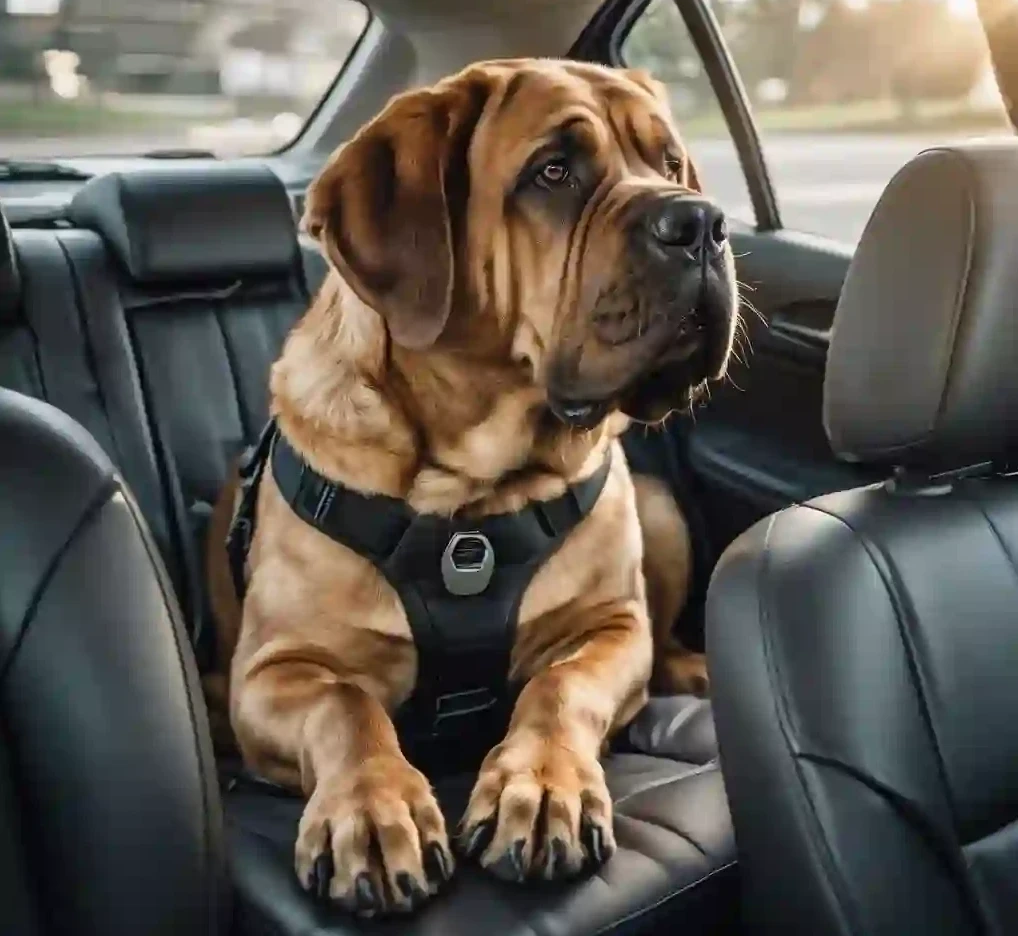
 Summertime is travel time. But how can you travel comfortably with your gentle giant? Is there a good way to bring my majestic Mastiff along for the ride?
Yes, by all means. Traveling with a Mastiff can be an incredibly rewarding experience, creating lasting memories and strengthening the bond you share. However, let’s be honest, it’s not quite the same as packing a carry-on and jetting off solo. These lovable behemoths require a bit more planning and preparation to ensure a smooth and enjoyable journey for everyone involved.
This comprehensive guide is packed with tips for traveling with a Mastiff, designed to equip you with everything you need to know, whether you’re a first-time Mastiff owner or a seasoned pro. We’ll cover everything from pre-trip vet visits to choosing the right travel crate, ensuring your furry friend is safe, comfortable, and happy every step of the way. Get ready to embark on unforgettable adventures with your loyal companion!
Before You Go: Laying the Groundwork for a Successful Trip
Before you even think about packing your bags, there are several crucial steps to take to prepare your Mastiff for travel. These pre-trip preparations are essential for ensuring their health, safety, and overall well-being during the journey.
1. Vet Visit: The Green Light for Adventure
First and foremost, schedule a visit with your veterinarian. This is very important! Your vet will:
- Ensure your Mastiff is healthy enough to travel: They’ll perform a thorough check-up to identify any underlying health issues that could be exacerbated by travel.
- Update vaccinations: Make sure your Mastiff is up-to-date on all required vaccinations, especially rabies.
- Discuss travel-related health concerns: Your vet can advise on potential risks specific to your destination, such as heartworm or tick-borne diseases, and recommend preventative measures.
- Provide necessary documentation: Obtain a health certificate and vaccination records, which may be required for travel, especially across state lines or internationally.
- Microchip Check: Confirm your Mastiff’s microchip is working and registered with your current contact information. This is crucial in case of accidental separation.
2. Identification is Key: Tag, You’re It!
Even with a microchip, a visible form of identification is essential. Ensure your Mastiff wears a sturdy collar with:
- Identification Tags: Include your name, phone number, and address. Consider adding “Reward if Found” to incentivize a quick return.
- Temporary Travel Tag: If you’re traveling to a new location, create a temporary tag with your destination address and phone number.
3. Mastering Basic Obedience: A Well-Behaved Traveler
A well-trained Mastiff is a joy to travel with. Before your trip, reinforce basic obedience commands such as:
- Sit: Essential for keeping your Mastiff calm and controlled in various situations.
- Stay: Useful for preventing your Mastiff from wandering off in unfamiliar environments.
- Come: Crucial for recall in case of emergencies.
- Leave it: Prevents your Mastiff from picking up or ingesting potentially harmful objects.
- Heel: Makes walking on a leash much easier and more enjoyable for both of you.
Consider enrolling in a refresher course or working with a professional trainer to brush up on these skills.
4. Acclimation to Travel: Practice Makes Perfect
Before embarking on a long journey, gradually acclimate your Mastiff to the mode of transportation you’ll be using.
- Car Rides: Start with short drives and gradually increase the duration. Make the experience positive by offering treats, praise, and favorite toys.
- Crate Training: If you plan to use a crate, introduce it well in advance and make it a comfortable and safe space. Feed your Mastiff meals inside the crate, and encourage them to nap or sleep there.
- Public Transportation: If you’ll be using trains or buses, take short practice rides to familiarize your Mastiff with the sights, sounds, and smells.
5. Packing Essentials: A Mastiff-Sized Suitcase
Just like you need your travel essentials, so does your Mastiff. Create a dedicated travel bag containing:
- Food and Water: Bring enough of your Mastiff’s regular food to last the entire trip, plus extra in case of delays. Pack collapsible bowls for easy feeding and watering on the go.
- Medications: Include any prescription medications your Mastiff takes, along with a copy of the prescription.
- First-Aid Kit: A basic pet first-aid kit should include bandages, antiseptic wipes, gauze pads, and any other necessary supplies.
- Leash and Collar: A sturdy leash and collar with identification tags are essential.
- Waste Bags: Be a responsible pet owner and always clean up after your Mastiff.
- Toys and Comfort Items: Bring your Mastiff’s favorite toys, blankets, or bedding to provide comfort and familiarity.
- Crate (if applicable): Ensure the crate is appropriately sized and comfortable for your Mastiff.
- Travel Documents: Keep your Mastiff’s health certificate, vaccination records, and other important documents readily accessible.
Choosing Your Mode of Transportation: Weighing the Options
The best mode of transportation for traveling with a Mastiff depends on several factors, including your destination, budget, and your Mastiff’s temperament.
1. Car Travel: The Road Trip Adventure
For many Mastiff owners, car travel is the most convenient and comfortable option. It allows you to set your own pace, make frequent stops, and keep your Mastiff close by.
- Safety First: Never allow your Mastiff to roam freely in the car. Use a secure crate or a dog seatbelt to prevent distractions and protect them in case of an accident.
- Comfort is Key: Make sure your Mastiff has plenty of space to lie down and stretch out. Provide comfortable bedding and keep the car at a comfortable temperature.
- Frequent Breaks: Stop every few hours for bathroom breaks, exercise, and fresh air. Offer water and a small snack.
- Never Leave Unattended: Never leave your Mastiff unattended in a parked car, especially in hot or cold weather. Temperatures inside a car can rise or drop rapidly, posing a serious health risk.
2. Air Travel: Navigating the Skies
Air travel with a Mastiff can be more challenging, but it’s sometimes the only option for long distances.
- Airline Regulations: Research airline regulations regarding pet travel well in advance. Some airlines have breed restrictions or size limitations.
- In-Cabin vs. Cargo: Most airlines do not allow Mastiffs to travel in the cabin due to their size. They will likely need to travel in the cargo hold, which can be stressful for both you and your dog.
- Direct Flights: Choose direct flights whenever possible to minimize layovers and handling.
- Acclimation to the Crate: Ensure your Mastiff is completely comfortable and relaxed in their crate before the flight.
- Sedation: Consult with your veterinarian about whether sedation is appropriate for your Mastiff. Sedation can help reduce anxiety during the flight, but it’s not always recommended.
- Arrival: Upon arrival, immediately check on your Mastiff and provide water and a potty break.
3. Train Travel: A Scenic Route
Train travel can be a relaxing and enjoyable way to travel with your Mastiff, but it’s not always feasible depending on your destination.
- Train Regulations: Check the train company’s pet policy before booking your tickets. Some train companies have size restrictions or require pets to travel in a carrier.
- Comfort and Space: Ensure your Mastiff has enough space to lie down and stretch out comfortably.
- Potty Breaks: Plan for frequent potty breaks at stations along the way.
- Leash and Control: Keep your Mastiff on a leash at all times while on the train and at stations.
On the Road: Keeping Your Mastiff Happy and Healthy
Once you’re on the road, it’s important to maintain a consistent routine and provide your Mastiff with everything they need to stay happy and healthy.
1. Feeding and Hydration: Fueling the Adventure
- Stick to a Schedule: Maintain your Mastiff’s regular feeding schedule as much as possible.
- Fresh Water: Always provide access to fresh, clean water.
- Avoid Overfeeding: Avoid overfeeding your Mastiff, as this can lead to digestive upset.
- Travel Sickness: If your Mastiff is prone to travel sickness, consult with your veterinarian about medication or other remedies.
2. Exercise and Mental Stimulation: Burning Off Energy
- Regular Walks: Take your Mastiff for regular walks to provide exercise and mental stimulation.
- Playtime: Engage in playtime with your Mastiff to keep them entertained and prevent boredom.
- Puzzle Toys: Provide puzzle toys to challenge your Mastiff mentally and keep them occupied.
3. Stress Management: Keeping Calm and Collected
- Familiar Items: Bring familiar items such as blankets, toys, and bedding to provide comfort and security.
- Calming Aids: Consider using calming aids such as pheromone diffusers or calming chews.
- Positive Reinforcement: Use positive reinforcement techniques to reward good behavior and reduce anxiety.
- Recognize Stress Signals: Learn to recognize the signs of stress in your Mastiff, such as panting, pacing, or lip licking, and take steps to alleviate their anxiety.
Destination Reached: Settling In and Exploring
Once you arrive at your destination, it’s important to help your Mastiff settle in and adjust to their new surroundings.
1. Establishing a Routine: Creating a Sense of Normalcy
- Familiar Environment: Set up a familiar environment for your Mastiff with their bed, toys, and food bowls.
- Consistent Schedule: Maintain a consistent feeding, walking, and playtime schedule.
- Safe Space: Provide a safe and quiet space where your Mastiff can retreat if they feel overwhelmed.
2. Exploring the Area: Discovering New Adventures
- Leash Walks: Explore the area with your Mastiff on a leash, gradually introducing them to new sights, sounds, and smells.
- Dog-Friendly Activities: Look for dog-friendly parks, trails, and beaches where you can enjoy outdoor activities together.
- Local Vets: Identify local veterinarians in case of emergencies.
3. Socialization: Meeting New Friends
- Controlled Introductions: Introduce your Mastiff to new people and animals in a controlled and supervised manner.
- Positive Interactions: Encourage positive interactions by rewarding calm and friendly behavior.
- Respect Boundaries: Respect your Mastiff’s boundaries and avoid forcing them into uncomfortable situations.
Common Challenges and Solutions: Troubleshooting on the Go
Even with the best planning, unexpected challenges can arise during travel. Here are some common issues and solutions:
- Travel Sickness: Consult with your veterinarian about medication or other remedies. Offer small, frequent meals and avoid feeding your Mastiff right before traveling.
- Anxiety: Use calming aids, provide familiar items, and create a safe and comfortable environment.
- Excessive Barking: Identify the cause of the barking and address it accordingly. Use positive reinforcement techniques to reward quiet behavior.
- Escape Attempts: Ensure your Mastiff is securely confined and supervised at all times. Check fences and gates for weaknesses and make sure your Mastiff is wearing proper identification.
- Heatstroke: Never leave your Mastiff unattended in a parked car, especially in hot weather. Provide plenty of water and shade, and avoid strenuous exercise during the hottest part of the day.
Conclusion: Creating Lasting Memories with Your Mastiff
Traveling with a Mastiff requires careful planning and preparation, but the rewards are well worth the effort. By following these tips for traveling with a Mastiff, you can ensure a safe, comfortable, and enjoyable journey for both you and your furry friend.
So go for it! Pack your bags, grab your leash, and get ready to embark on unforgettable adventures together! The world is waiting to be explored, and with your loyal Mastiff by your side, the possibilities are endless. Remember to always prioritize your Mastiff’s well-being, be prepared for unexpected challenges, and most importantly, have fun!