
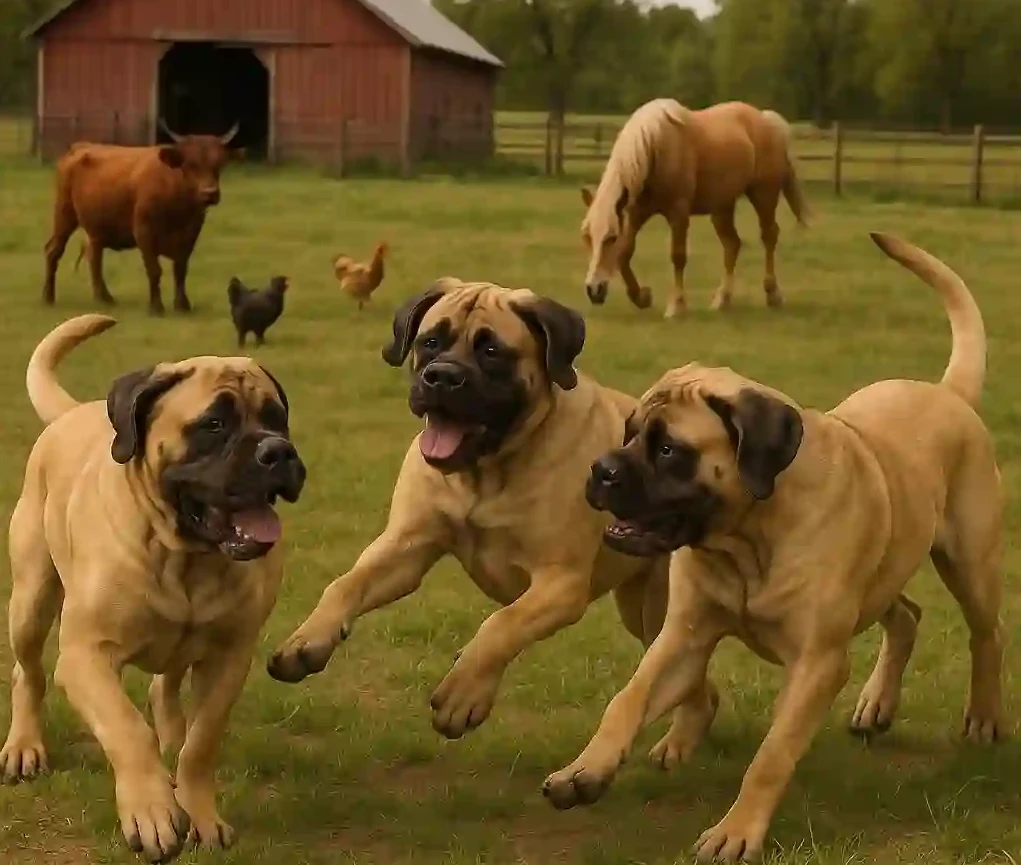
Mastiffs, with their imposing size and gentle nature, are truly magnificent dogs. As a Mastiff owner, you understand the unique joys and responsibilities that come with caring for these gentle giants. One of the most crucial aspects of responsible Mastiff ownership is ensuring they get the right amount and type of exercise. A well-structured Mastiff daily exercise routine is essential for their physical and mental well-being. This comprehensive guide will walk you through everything you need to know about how to exercise a Mastiff safely and effectively, maximizing the benefits for your beloved companion.
Why Exercise Matters for Your Mastiff
Before diving into the specifics of a Mastiff daily exercise routine, it’s important to understand why exercise is so vital for this breed. Mastiffs, despite their size, are not built for endurance running. They are prone to certain health issues that can be exacerbated by improper or insufficient exercise.
Physical Health Benefits
- Weight Management: Mastiffs are prone to obesity, which can lead to a host of health problems, including joint issues, heart disease, and diabetes. Regular exercise helps burn calories and maintain a healthy weight. A Mastiff daily exercise routine helps to prevent obesity.
- Joint Health: Mastiffs are susceptible to hip and elbow dysplasia. Controlled, low-impact exercise helps strengthen the muscles around these joints, providing support and reducing the risk of these conditions.
- Cardiovascular Health: Exercise strengthens the heart and improves circulation, reducing the risk of heart disease. A good Mastiff daily exercise routine can add years to your dog’s life.
- Muscle Tone and Strength: Regular activity helps build and maintain muscle mass, which is essential for supporting their large frame and preventing injuries.
- Improved Digestion: Exercise stimulates the digestive system, helping to prevent constipation and other digestive issues.
Mental and Behavioral Benefits
- Reduced Boredom and Destructive Behavior: A bored Mastiff is a destructive Mastiff. Exercise provides mental stimulation and helps to burn off excess energy, reducing the likelihood of unwanted behaviors like chewing, digging, and excessive barking. A well-exercised Mastiff is a happy Mastiff.
- Reduced Anxiety and Stress: Exercise releases endorphins, which have mood-boosting effects. This can help reduce anxiety and stress in your Mastiff, especially if they are prone to separation anxiety or other behavioral issues.
- Improved Sleep: Regular physical activity can help your Mastiff sleep better at night.
- Strengthened Bond: Exercise provides an opportunity for you to bond with your Mastiff. Walks, playtime, and training sessions can all strengthen your relationship and improve communication.
- Socialization Opportunities: Walks in the park or visits to dog-friendly areas provide opportunities for your Mastiff to socialize with other dogs and people, which is important for their overall well-being.
Understanding Your Mastiff’s Exercise Needs
Every dog is an individual, and their exercise needs will vary depending on their age, health, and personality. However, here are some general guidelines for understanding your Mastiff’s exercise requirements:
Age Considerations
- Puppies (8 weeks to 1 year): Mastiff puppies have different exercise needs than adult dogs. Their bones and joints are still developing, so it’s important to avoid overexertion. Focus on short, frequent play sessions and walks on soft surfaces. Avoid high-impact activities like jumping or running on hard surfaces, which can damage their developing joints. Socialization is key during this period, so expose your puppy to a variety of sights, sounds, and people in a safe and controlled environment.
- Adults (1 year to 7 years): Adult Mastiffs typically need moderate exercise. A good Mastiff daily exercise routine for an adult Mastiff includes a daily walk of 30-60 minutes, combined with some playtime in the yard. You can also incorporate other activities like swimming (if your Mastiff enjoys it) or short hikes.
- Seniors (7 years and older): Senior Mastiffs may have reduced mobility and stamina. Adjust their exercise routine to accommodate their needs. Shorter, more frequent walks are often better than one long walk. Consider incorporating gentle exercises like stretching or massage to help maintain their flexibility and range of motion. Be mindful of their comfort level and avoid pushing them too hard.
Health Considerations
- Joint Issues: If your Mastiff has hip or elbow dysplasia, arthritis, or other joint problems, it’s important to consult with your veterinarian to develop an appropriate exercise plan. Low-impact activities like swimming or walking on soft surfaces are often recommended. Avoid activities that put stress on the joints, such as jumping or running on hard surfaces.
- Heart Conditions: If your Mastiff has a heart condition, it’s crucial to monitor their activity level closely. Avoid strenuous exercise that could put excessive strain on their heart. Consult with your veterinarian to determine a safe and appropriate exercise plan.
- Obesity: If your Mastiff is overweight, start with short, low-intensity exercises and gradually increase the duration and intensity as they become more fit. Be sure to monitor their weight and adjust their diet accordingly.
- Other Health Issues: If your Mastiff has any other health issues, such as respiratory problems or skin allergies, consult with your veterinarian to determine any specific exercise restrictions or recommendations.
Personality and Temperament
- Low-Energy Mastiffs: Some Mastiffs are naturally more laid-back and require less exercise than others. Pay attention to your dog’s cues and adjust their exercise routine accordingly.
- High-Energy Mastiffs: Some Mastiffs have more energy and require more exercise to stay happy and well-behaved. If your Mastiff is constantly seeking attention, exhibiting destructive behaviors, or seems restless, they may need more exercise.
- Anxious Mastiffs: Exercise can be a great way to reduce anxiety in Mastiffs. However, it’s important to introduce exercise gradually and avoid overwhelming them. Start with short, calm walks and gradually increase the duration and intensity as they become more comfortable.
Creating the Perfect Mastiff Daily Exercise Routine
Now that you understand the importance of exercise and the factors that influence your Mastiff’s needs, let’s create the perfect Mastiff daily exercise routine for your furry friend.
Sample Daily Routine
This is just a sample routine, and you may need to adjust it based on your Mastiff’s individual needs and your own schedule.
- Morning (15-20 minutes):
-
- Short Walk: A brisk walk around the block to get their blood flowing and relieve themselves.
- Playtime: A few minutes of fetch or tug-of-war in the yard.
- Afternoon (30-45 minutes):
-
- Longer Walk: A longer walk in the park or a more challenging route.
- Training Session: Practice some basic obedience commands or teach them a new trick.
- Evening (15-20 minutes):
-
- Gentle Walk: A relaxing walk before bedtime to help them wind down.
- Puzzle Toys: Provide a puzzle toy filled with treats to keep them mentally stimulated.
Types of Exercise for Mastiffs
Here are some specific types of exercise that are well-suited for Mastiffs:
- Walking: Walking is an excellent low-impact exercise for Mastiffs. It’s gentle on their joints and provides them with mental stimulation. Vary the route to keep things interesting and challenge them with hills or uneven terrain (if appropriate for their fitness level).
- Swimming: Swimming is another great low-impact exercise that’s easy on the joints. It’s also a great way to cool down on hot days. If your Mastiff enjoys swimming, consider taking them to a dog-friendly pool or lake.
- Playtime: Playtime is a fun and engaging way to exercise your Mastiff. Fetch, tug-of-war, and hide-and-seek are all great options. Be sure to use durable toys that can withstand their strong jaws.
- Training: Training is not only a great way to exercise your Mastiff’s mind, but it can also provide them with physical activity. Practice basic obedience commands, teach them new tricks, or enroll them in an agility class (modified for their size and build).
- Hiking: If your Mastiff is in good shape, hiking can be a great way to provide them with a more challenging workout. Choose trails that are appropriate for their fitness level and avoid steep or rocky terrain. Be sure to bring plenty of water for both of you.
- Dog Parks: Dog parks can be a great place for your Mastiff to socialize and get some exercise. However, it’s important to supervise them closely and make sure they are interacting safely with other dogs. Not all Mastiffs enjoy dog parks, so observe your dog’s behavior and remove them if they seem stressed or uncomfortable.
Important Considerations for Exercising Your Mastiff
- Weather: Mastiffs are prone to overheating, especially in hot weather. Avoid exercising them during the hottest part of the day and provide them with plenty of water. Be mindful of the temperature of the pavement, as it can burn their paws. In cold weather, protect them from the elements with a coat or sweater.
- Surface: Choose soft surfaces like grass or dirt whenever possible to minimize stress on their joints. Avoid running them on hard surfaces like concrete or asphalt.
- Warm-up and Cool-down: Just like humans, Mastiffs need to warm up before exercise and cool down afterward. Start with a few minutes of gentle walking or stretching to prepare their muscles for activity. End with a few minutes of slow walking to help them cool down gradually.
- Listen to Your Dog: Pay attention to your Mastiff’s cues and adjust their exercise routine accordingly. If they seem tired, uncomfortable, or are panting excessively, stop and let them rest.
- Hydration: Always provide your Mastiff with plenty of fresh water before, during, and after exercise.
- Collar and Leash: Use a sturdy collar and leash that are appropriate for their size and strength. Consider using a harness to distribute pressure more evenly across their chest.
- Supervision: Always supervise your Mastiff during exercise, especially in public areas.
- Consult Your Veterinarian: Before starting any new exercise program, consult with your veterinarian to make sure it’s safe and appropriate for your Mastiff’s individual needs.
Common Mistakes to Avoid
- Overtraining: Overtraining can lead to injuries and exhaustion. Start slowly and gradually increase the duration and intensity of exercise.
- Exercising After Eating: Exercising your Mastiff immediately after eating can increase the risk of bloat, a life-threatening condition. Wait at least an hour after feeding before exercising them.
- Ignoring Pain: If your Mastiff is limping or showing signs of pain, stop exercising them and consult with your veterinarian.
- Letting Them Off Leash in Unsafe Areas: Always keep your Mastiff on a leash in areas where there is traffic or other potential hazards.
- Not Socializing Properly: Socialization is crucial for Mastiffs. Expose them to a variety of sights, sounds, people, and other dogs in a safe and controlled environment.
- Using Harsh Training Methods: Mastiffs respond best to positive reinforcement training methods. Avoid using harsh or punitive methods, which can damage your relationship and lead to behavioral problems.
The Long-Term Benefits of a Consistent Exercise Routine
Committing to a consistent Mastiff daily exercise routine will yield significant long-term benefits for both you and your beloved companion.
- Increased Lifespan: Regular exercise can help your Mastiff live a longer, healthier life.
- Improved Quality of Life: Exercise can improve your Mastiff’s overall quality of life by reducing pain, improving mobility, and boosting their mood.
- Stronger Bond: Exercise provides an opportunity for you to bond with your Mastiff and strengthen your relationship.
- Reduced Veterinary Bills: By keeping your Mastiff healthy and fit, you can reduce the risk of costly health problems and veterinary bills.
- A Happier, Healthier Companion: Ultimately, a well-exercised Mastiff is a happier, healthier companion who will bring you years of joy and companionship.
Conclusion
Creating and maintaining a Mastiff daily exercise routine is one of the most important things you can do for your gentle giant. By understanding their unique needs and following the guidelines outlined in this article, you can help your Mastiff live a long, healthy, and happy life. Remember to consult with your veterinarian before starting any new exercise program and to always listen to your dog’s cues. With a little planning and effort, you can create the perfect exercise routine for your Mastiff and enjoy the many benefits of a strong, healthy, and well-behaved companion. Learning how to exercise a Mastiff correctly is essential for their well-being. Enjoy your time together!