
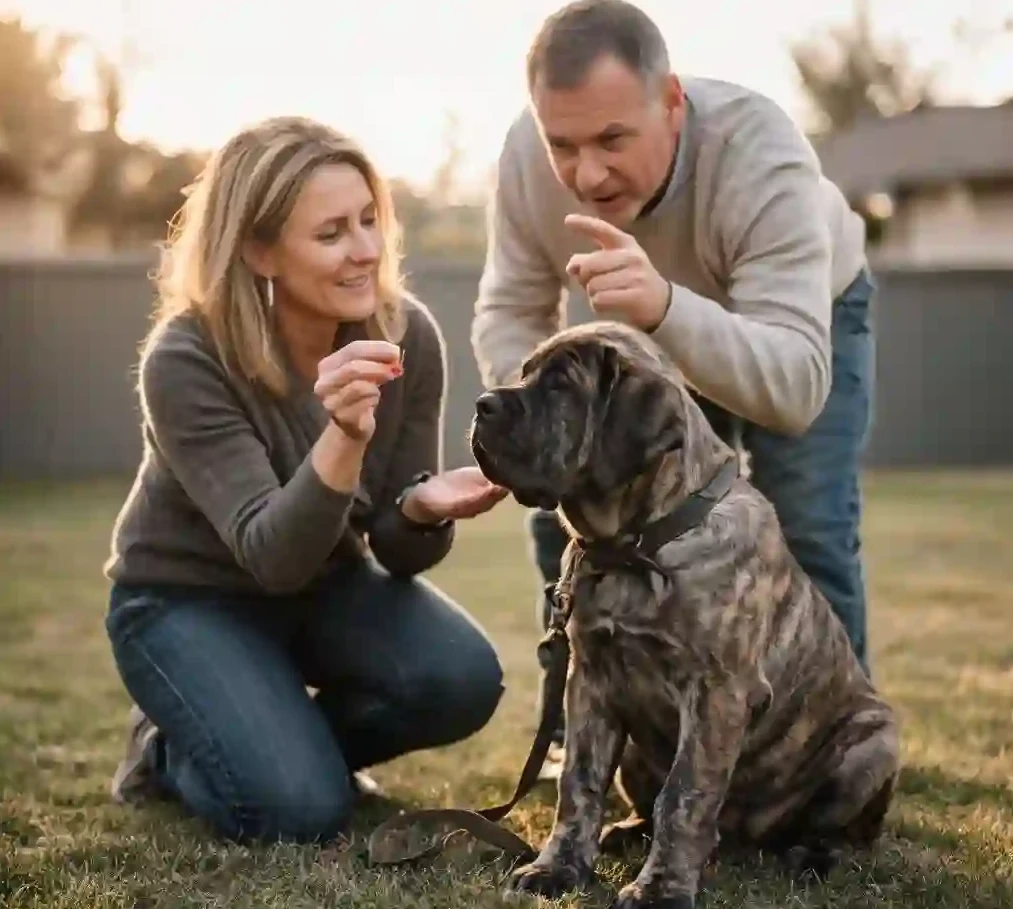
 Bringing a Mastiff puppy into your home is an exciting adventure! These gentle giants, known for their loyalty and affectionate nature, make wonderful companions. However, their large size and strong will mean that early and consistent training is crucial. This Mastiff puppy training guide will get you started on the right paw, giving you a taste of what’s involved in raising a well-behaved and happy Mastiff.
We’ll cover the basics, from socialization and housebreaking to basic obedience and addressing common Mastiff traits. Get ready to embark on a rewarding journey of building a strong bond with your furry friend!
Why Start Training Early?
Mastiffs are intelligent dogs, but their independent streak can sometimes make training a challenge. Starting early, ideally from the moment you bring your puppy home, sets the foundation for good behavior. Early training not only makes your life easier but also ensures your Mastiff puppy grows into a well-adjusted and confident adult.
Think of it this way: a well-trained Mastiff is a joy to be around, while an untrained one can be overwhelming, to say the least! This Mastiff puppy training guide emphasizes early training to prevent bad habits from forming and to establish you as the leader of the pack.
Essential Supplies for Mastiff Puppy Training
Before you even bring your Mastiff puppy home, gather the necessary supplies. Being prepared will make the transition smoother and set you up for success. Here’s a checklist:
- High-Quality Puppy Food: Choose a food specifically formulated for large-breed puppies to support healthy growth and prevent joint problems.
- Food and Water Bowls: Stainless steel bowls are durable and easy to clean.
- Collar and Leash: A lightweight puppy collar and a standard leash are essential for walks and training sessions.
- Comfortable Bed: Provide a cozy and supportive bed where your puppy can relax and feel secure.
- Crate: A crate is a valuable tool for housebreaking and providing a safe haven for your puppy.
- Toys: A variety of toys, including chew toys, puzzle toys, and soft toys, will keep your puppy entertained and prevent destructive behavior.
- Treats: Small, soft treats are perfect for rewarding good behavior during training sessions.
- Poop Bags: Essential for cleaning up after your puppy during walks.
- Enzyme Cleaner: Accidents happen! An enzyme cleaner will eliminate odors and prevent your puppy from repeating mistakes in the same spot.
Socialization: Exposing Your Mastiff Puppy to the World
Socialization is arguably the most important aspect of Mastiff puppy training. Exposing your puppy to a wide variety of sights, sounds, people, and experiences during their critical socialization period (typically up to 16 weeks of age) will help them develop into a well-adjusted and confident adult dog.
Safe and Positive Experiences:
- People: Introduce your puppy to people of all ages, races, and sizes. Encourage gentle interactions and positive reinforcement.
- Other Animals: Supervise interactions with other dogs and cats carefully. Ensure that all interactions are positive and controlled.
- Environments: Take your puppy to different places, such as parks, pet stores, and even busy streets. Gradually expose them to different sights and sounds.
- Sounds: Acclimate your puppy to common household sounds, such as the vacuum cleaner, doorbell, and television.
- Handling: Get your puppy used to being handled by different people, including vets and groomers. Practice touching their paws, ears, and mouth.
Tips for Successful Socialization:
- Start Early: Begin socialization as soon as your puppy is cleared by the vet.
- Be Positive: Make every experience positive and rewarding.
- Go Slowly: Don’t overwhelm your puppy. Introduce new experiences gradually.
- Monitor Your Puppy: Watch your puppy’s body language for signs of stress or fear. If they seem uncomfortable, remove them from the situation.
- Attend Puppy Classes: Puppy classes are a great way to socialize your puppy in a safe and controlled environment.
Housebreaking Your Mastiff Puppy: Patience and Consistency are Key
Housebreaking a Mastiff puppy requires patience, consistency, and a positive approach. Because of their size, a puppy needs to relieve themselves more often than a smaller breed. Here’s a step-by-step guide:
- Establish a Routine: Take your puppy outside first thing in the morning, after meals, after naps, and before bedtime.
- Choose a Potty Spot: Take your puppy to the same spot each time so they can associate the scent with going to the bathroom.
- Use a Command: Use a specific command, such as “Go potty,” to encourage your puppy to eliminate.
- Reward Success: When your puppy eliminates outside, praise them enthusiastically and give them a treat immediately.
- Crate Training: Use a crate to prevent accidents inside the house. Your puppy should not eliminate where they sleep.
- Supervise Closely: When your puppy is not in the crate, supervise them closely for signs that they need to go outside, such as circling, sniffing, or squatting.
- Clean Up Accidents Immediately: If your puppy has an accident inside, clean it up immediately with an enzyme cleaner to eliminate odors.
- Be Patient: Housebreaking takes time and patience. Don’t get discouraged if your puppy has accidents. Just keep following the routine and rewarding success.
Important Considerations:
- Medical Issues: If your puppy is having frequent accidents, consult with your veterinarian to rule out any medical issues.
- Consistency is Key: Everyone in the household must be consistent with the housebreaking routine.
- Avoid Punishment: Never punish your puppy for having an accident. This will only make them afraid of you and less likely to eliminate in front of you.
Basic Obedience Training: Building a Foundation for Good Behavior
Basic obedience training is essential for all dogs, but it’s especially important for large breeds like Mastiffs. Teaching your Mastiff puppy basic commands will give you control over their behavior and help them become a well-mannered member of the family.
Essential Commands:
- Sit: Hold a treat in front of your puppy’s nose and move it up and back over their head. As their head goes up, their rear end should go down. Say “Sit” as they sit down.
- Stay: Have your puppy sit. Hold your hand up in a “stop” gesture and say “Stay.” Start with short durations and gradually increase the time.
- Come: Use a happy and enthusiastic tone of voice and say “Come.” When your puppy comes to you, praise them and give them a treat.
- Down: Hold a treat in front of your puppy’s nose and move it down towards the floor. As they lie down, say “Down.”
- Leave It: Place a treat on the floor and cover it with your hand. Say “Leave it.” When your puppy stops trying to get the treat, praise them and give them a different treat from your hand.
- Heel: Walk your puppy on a leash and keep them by your side. Say “Heel” and reward them for staying in position.
Tips for Effective Obedience Training:
- Keep it Positive: Use positive reinforcement methods, such as treats and praise.
- Keep it Short: Keep training sessions short and fun to maintain your puppy’s attention.
- Be Consistent: Practice commands regularly in different locations.
- Use Clear and Concise Commands: Use the same commands every time.
- Be Patient: Training takes time and patience. Don’t get discouraged if your puppy doesn’t learn a command right away.
Leash Training: Mastering the Walk
Walking a Mastiff puppy can be a challenge, especially if they are not properly leash trained. Start leash training early and make it a positive experience.
Steps for Leash Training:
- Introduce the Collar and Leash: Let your puppy wear the collar and leash for short periods of time inside the house.
- Practice Walking Indoors: Practice walking your puppy on a leash indoors. Reward them for walking nicely by your side.
- Start Walking Outdoors: Start walking your puppy on a leash in a quiet area. Gradually introduce them to busier environments.
- Use Positive Reinforcement: Reward your puppy for walking nicely by your side.
- Correct Pulling: If your puppy starts to pull, stop walking and wait for them to stop pulling. Then, resume walking. You can also change directions to redirect their attention.
Tips for Successful Leash Training:
- Use a Comfortable Leash and Collar: Choose a leash and collar that are comfortable for your puppy.
- Keep the Leash Loose: Avoid pulling on the leash.
- Be Patient: Leash training takes time and patience.
- Consider a Harness: A harness can be a good option for Mastiffs, as it distributes pressure more evenly across their body.
Addressing Common Mastiff Puppy Challenges
Mastiffs are prone to certain behavioral challenges, such as:
- Stubbornness: Mastiffs can be independent and stubborn, which can make training a challenge. Be patient and consistent with your training methods.
- Chewing: Mastiff puppies have strong jaws and a tendency to chew. Provide them with plenty of chew toys to satisfy their chewing instincts.
- Drooling: Mastiffs are known for their drooling. Keep a towel handy to wipe up excess saliva.
- Digging: Some Mastiffs enjoy digging. Provide them with a designated digging area in the yard.
- Separation Anxiety: Mastiffs can be prone to separation anxiety. Gradually acclimate your puppy to being alone.
Nutrition for a Growing Mastiff
Proper nutrition is crucial for the healthy growth and development of your Mastiff puppy. Choose a high-quality puppy food specifically formulated for large-breed puppies. These foods are designed to provide the appropriate balance of nutrients to support healthy bone and joint development.
Key Considerations:
- Large-Breed Puppy Food: Feed your puppy a food specifically formulated for large-breed puppies.
- Controlled Growth: Avoid overfeeding your puppy, as this can lead to rapid growth and increase the risk of joint problems.
- Proper Calcium and Phosphorus Levels: Ensure that the food contains the appropriate levels of calcium and phosphorus.
- Feed According to Age and Weight: Follow the feeding guidelines on the food packaging.
- Fresh Water: Always provide your puppy with fresh, clean water.
Exercise Needs of a Mastiff Puppy
Mastiff puppies need regular exercise to stay healthy and happy, but it’s important to avoid overexerting them, especially during their rapid growth phase.
Appropriate Exercise:
- Short Walks: Take your puppy on short, frequent walks.
- Playtime: Engage in gentle playtime with your puppy.
- Swimming: Swimming is a great low-impact exercise for Mastiffs.
- Avoid High-Impact Activities: Avoid high-impact activities, such as jumping and running on hard surfaces, until your puppy is fully grown.
Grooming Your Mastiff Puppy
Mastiffs have short, dense coats that require minimal grooming. However, regular grooming is still important to keep their coat healthy and free of mats.
Grooming Essentials:
- Brushing: Brush your puppy’s coat several times a week to remove loose hair.
- Bathing: Bathe your puppy as needed, typically every few months.
- Nail Trimming: Trim your puppy’s nails regularly to prevent them from becoming overgrown.
- Ear Cleaning: Clean your puppy’s ears regularly to prevent infections.
- Dental Care: Brush your puppy’s teeth regularly to prevent dental problems.
Continuing Education and Resources
This Mastiff puppy training guide provides a starting point for raising your gentle giant. Remember that every dog is an individual, and what works for one Mastiff may not work for another. Don’t hesitate to seek professional guidance from a certified dog trainer or veterinary behaviorist if you encounter challenges.
Additional Resources:
- American Kennel Club (AKC): The AKC website provides information on dog breeds, training, and health.
- Local Dog Training Clubs: Local dog training clubs offer obedience classes and other training programs.
- Veterinarian: Your veterinarian is a valuable resource for information on your puppy’s health and well-being.
Conclusion: Enjoy the Journey
Training a Mastiff puppy is a rewarding experience that will strengthen the bond between you and your furry friend. By starting early, being consistent, and using positive reinforcement methods, you can raise a well-behaved and happy Mastiff that will bring you years of joy. Remember to be patient and enjoy the journey! This Mastiff puppy training guide is a great start on your journey to a rewarding, safe & pleasant relationship with your gentle giant. Remember, the more you learn about this amazing breed, the happier both you and your faithful companion will be.