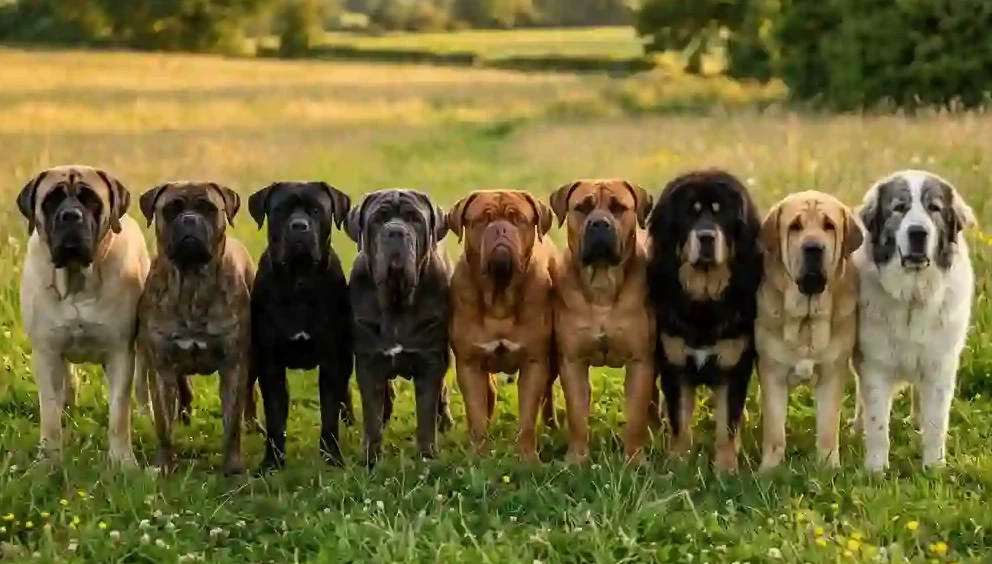
 So, you’re thinking about bringing a massive, drool-tastic, heart-melting Mastiff into your life? Awesome! You’re in for a world of cuddles, slobbery kisses, and unwavering loyalty. But with so many magnificent Mastiff breeds out there, where do you even begin? This Mastiff breeds guide for beginners is your starting point!
Consider this your friendly, down-to-earth introduction to some of the most popular “Mastiff” breeds. We’ll explore their personalities, quirks, and needs, helping you figure out which gentle giant might be the perfect fit for your family.
Important Note: The term “Mastiff” can be a little loose. While we’re focusing on breeds commonly considered Mastiffs, remember that canine classifications can sometimes be debated. This Mastiff breeds guide for beginners focuses on the most commonly considered list of Mastiffs, so let’s dive in!
1. The Old English Mastiff: The Classic Gentle Giant
Ah, the Old English Mastiff – the OG Mastiff, if you will. When people picture a Mastiff, this is often the breed that comes to mind. These guys are HUGE, with males often tipping the scales at over 200 pounds.
- Personality: Despite their imposing size, Old English Mastiffs are known for their gentle and docile nature. They’re often described as “gentle giants,” and they’re generally good with children and other pets, especially when properly socialized. They are affectionate and loyal companions.
- Grooming: Their short coat is relatively easy to care for, requiring weekly brushing to minimize shedding.
- Exercise: While they’re not high-energy dogs, Old English Mastiffs still need regular exercise to stay healthy. Daily walks and playtime in the yard will keep them happy.
- Health: Like many large breeds, Old English Mastiffs are prone to certain health issues, such as hip and elbow dysplasia, bloat, and heart problems. Responsible breeding practices are crucial.
- Why they’re great for beginners: Their calm temperament and relatively low exercise needs (compared to some other breeds) make them a good choice for first-time Mastiff owners who are prepared for their size and potential health concerns. This Mastiff breeds guide for beginners considers this the best starting point.
2. The Bullmastiff: The Fearless Protector
The Bullmastiff was originally bred to guard estates and protect against poachers. They’re a cross between the Old English Mastiff and the Bulldog, resulting in a powerful and courageous dog.
- Personality: Bullmastiffs are loyal, protective, and confident. They can be aloof with strangers but are deeply affectionate with their families. Early socialization and training are essential to ensure they’re well-behaved and don’t become overly protective.
- Grooming: Their short, dense coat is easy to groom, requiring weekly brushing.
- Exercise: Bullmastiffs need moderate exercise, such as daily walks and playtime. They’re not marathon runners, but they need enough activity to stay in shape.
- Health: Bullmastiffs are prone to similar health issues as Old English Mastiffs, including hip and elbow dysplasia, bloat, and certain eye conditions.
- Why they’re great for beginners (with a caveat): Bullmastiffs can be a good choice for experienced dog owners who are looking for a protective and loyal companion. However, their strong-willed nature and potential for protectiveness mean they’re not always the best choice for first-time dog owners. This Mastiff breeds guide for beginners suggests careful consideration.
3. The Cane Corso: The Italian Stallion
The Cane Corso (pronounced “Kah-nay Corso”) is an Italian Mastiff known for its intelligence, strength, and imposing presence. They were originally bred to guard property and hunt big game.
- Personality: Cane Corsos are intelligent, loyal, and protective of their families. They require experienced owners who can provide consistent training and socialization. They can be wary of strangers and other animals if not properly socialized.
- Grooming: Their short, stiff coat is relatively easy to groom, requiring weekly brushing.
- Exercise: Cane Corsos are high-energy dogs that need plenty of exercise, including daily walks, runs, and playtime. They also need mental stimulation to prevent boredom and destructive behavior.
- Health: Cane Corsos are prone to hip and elbow dysplasia, bloat, and certain eye conditions.
- Why they’re NOT ideal for beginners: Cane Corsos are not a good choice for first-time dog owners. Their strong-willed nature, high energy levels, and potential for aggression require experienced handling. This Mastiff breeds guide for beginners strongly advises against this breed for novices.
4. The Neapolitan Mastiff: The Wrinkled Wonder
The Neapolitan Mastiff, or “Neo” as they’re often called, is known for its massive size, loose skin, and distinctive wrinkles. They were originally bred as guard dogs in Italy.
- Personality: Neapolitan Mastiffs are loyal, protective, and dignified. They can be aloof with strangers but are deeply devoted to their families. They require early socialization and training to ensure they’re well-behaved.
- Grooming: Their wrinkles require regular cleaning to prevent skin infections. They also shed moderately.
- Exercise: Neapolitan Mastiffs are not high-energy dogs and are happy with moderate exercise, such as daily walks.
- Health: Neapolitan Mastiffs are prone to a variety of health issues, including hip and elbow dysplasia, bloat, cherry eye, and skin infections.
- Why they’re NOT ideal for beginners: Neapolitan Mastiffs are not a good choice for first-time dog owners due to their potential health problems, grooming needs, and strong-willed nature. This Mastiff breeds guide for beginners suggests researching carefully.
5. The Dogue de Bordeaux: The French Mastiff with a Heart of Gold
The Dogue de Bordeaux, also known as the French Mastiff, is a powerful and muscular breed with a distinctive reddish-brown coat. They were originally used as guard dogs, hunters, and even war dogs in France.
- Personality: Dogues de Bordeaux are loyal, affectionate, and courageous. They can be protective of their families and may be wary of strangers. Early socialization and training are essential.
- Grooming: Their short coat is easy to groom, requiring weekly brushing. However, their wrinkles need regular cleaning to prevent skin infections.
- Exercise: Dogues de Bordeaux need moderate exercise, such as daily walks and playtime.
- Health: Dogues de Bordeaux are prone to hip and elbow dysplasia, bloat, heart problems, and certain skin conditions.
- Why they’re NOT ideal for beginners: Dogues de Bordeaux can be challenging to own due to their potential health problems and strong-willed nature. This Mastiff breeds guide for beginners recommends experience.
6. The Boerboel: The South African Farm Dog
The Boerboel (pronounced “boo-er-boil”) is a South African Mastiff bred to protect farms and families. They are known for their strength, intelligence, and protective instincts.
- Personality: Boerboels are loyal, intelligent, and protective. They require experienced owners who can provide consistent training and socialization. They can be dominant and territorial, so early socialization is crucial.
- Grooming: Their short coat is easy to groom, requiring weekly brushing.
- Exercise: Boerboels are high-energy dogs that need plenty of exercise, including daily walks, runs, and playtime.
- Health: Boerboels are prone to hip and elbow dysplasia, bloat, and certain eye conditions.
- Why they’re NOT ideal for beginners: Boerboels are not a good choice for first-time dog owners due to their strong-willed nature, high energy levels, and potential for aggression. This Mastiff breeds guide for beginners advises against this breed for novices.
7. The Tibetan Mastiff: The Fluffy Mountain Guardian
The Tibetan Mastiff is a large, ancient breed from the Himalayas. They were originally used to guard livestock and monasteries. Known for their thick, fluffy coat and independent nature.
- Personality: Tibetan Mastiffs are intelligent, independent, and protective. They can be aloof with strangers but are deeply loyal to their families. They require early socialization and training.
- Grooming: Their thick coat requires regular brushing to prevent matting and tangles. They also shed heavily.
- Exercise: Tibetan Mastiffs need moderate exercise, such as daily walks. They are well-suited to cold climates.
- Health: Tibetan Mastiffs are prone to hip and elbow dysplasia, bloat, and certain eye conditions.
- Why they’re NOT ideal for beginners: Tibetan Mastiffs can be challenging to train due to their independent nature. Their grooming needs and potential for aloofness also make them less suitable for first-time dog owners. This Mastiff breeds guide for beginners suggests careful consideration.
8. The Spanish Mastiff: The Livestock Guardian Extraordinaire
The Spanish Mastiff is a large, powerful breed from Spain, traditionally used to protect livestock from predators. They are known for their calm temperament and protective instincts.
- Personality: Spanish Mastiffs are calm, gentle, and protective. They are good with children and other animals, especially when properly socialized. They are loyal and devoted to their families.
- Grooming: Their medium-length coat requires regular brushing to prevent matting and shedding.
- Exercise: Spanish Mastiffs need moderate exercise, such as daily walks and playtime.
- Health: Spanish Mastiffs are prone to hip and elbow dysplasia, bloat, and certain heart conditions.
- Why they’re potentially good for beginners (with research): Spanish Mastiffs can be a good choice for first-time dog owners who are looking for a gentle and protective companion. However, their size and potential health concerns require careful consideration. This Mastiff breeds guide for beginners suggests thorough research.
9. The Pyrenean Mastiff: The Gentle Shepherd’s Companion
The Pyrenean Mastiff is a large, gentle breed from the Pyrenees Mountains, used to guard livestock. They are known for their calm temperament, loyalty, and protective instincts.
- Personality: Pyrenean Mastiffs are calm, gentle, and affectionate. They are good with children and other animals, especially when properly socialized. They are loyal and devoted to their families.
- Grooming: Their thick, white coat requires regular brushing to prevent matting and shedding.
- Exercise: Pyrenean Mastiffs need moderate exercise, such as daily walks and playtime.
- Health: Pyrenean Mastiffs are prone to hip and elbow dysplasia, bloat, and certain eye conditions.
- Why they’re potentially good for beginners (with research): Pyrenean Mastiffs can be a good choice for first-time dog owners who are looking for a gentle and affectionate companion. However, their size and grooming needs require careful consideration. This Mastiff breeds guide for beginners suggests thorough research.
Choosing the Right Mastiff Breed for You: A Final Word
Bringing a Mastiff into your life is a big decision. These magnificent dogs require a significant commitment of time, money, and energy. Before you bring home a Mastiff puppy, be sure to do your research and choose a breed that is a good fit for your lifestyle and experience level.
This Mastiff breeds guide for beginners is just a starting point. Talk to breeders, rescue organizations, and other Mastiff owners to learn more about these amazing dogs. With the right preparation, you can find the perfect gentle giant to share your life with! Remember to always prioritize responsible breeding and ethical adoption practices. Good luck on your Mastiff adventure!