
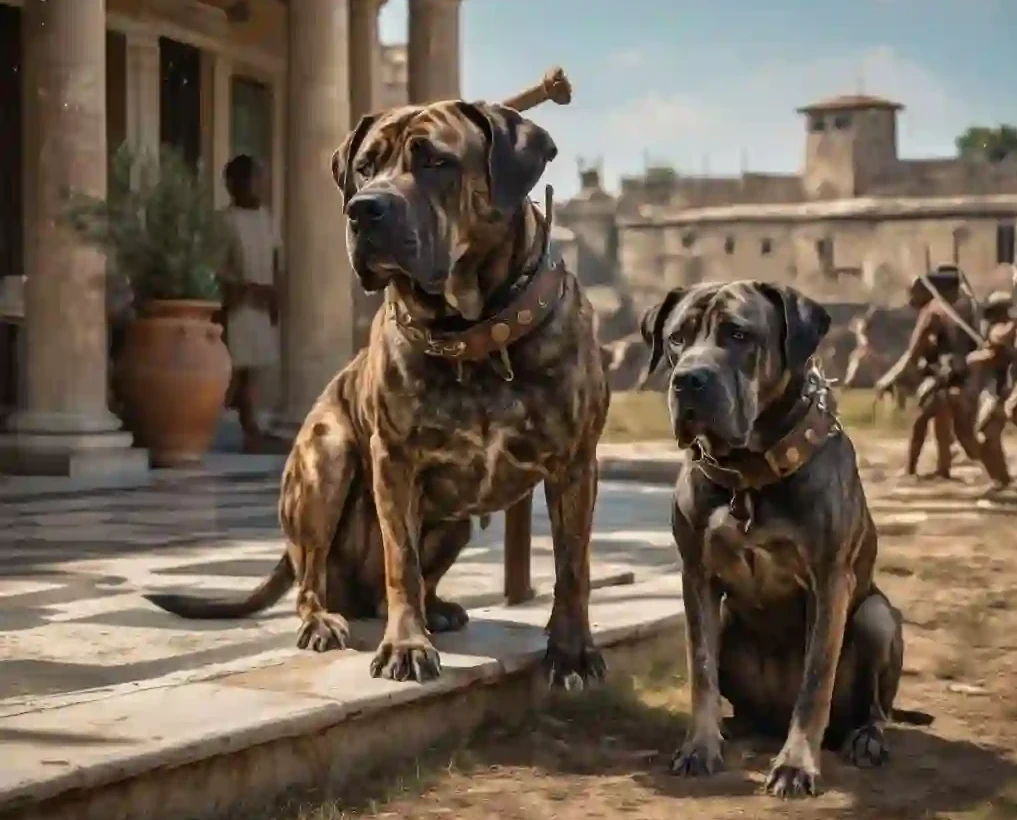
 The Mastiff is a giant among dogs. It is known for its imposing size, gentle nature, and unwavering loyalty. But how much do you really know about this ancient breed’s amazing history? Let’s embark on a journey through Mastiff breeds history and debunk some common Mastiff breed myths along the way. Whether you’re a seasoned Mastiff enthusiast or just beginning to appreciate these gentle giants, this article will provide a comprehensive overview of their fascinating past and present.
A Glimpse into Mastiff Breeds History: Tracing the Lineage of Giants
The Mastiff breeds history stretches back millennia, with roots deeply embedded in the annals of ancient civilizations. These dogs weren’t always the cuddly companions we know today. Their ancestors were formidable war dogs, guardians, and hunters.
Ancient Origins: The Molossus Connection
The story of the Mastiff begins with the Molossus, an ancient breed from the mountainous regions of Greece. These powerful dogs were renowned for their size, strength, and ferocity. They were used in warfare, guarding livestock, and hunting large game. The Molossus is considered the ancestor of many large breeds, including the Mastiff.
- Evidence: Historical texts and artifacts depict large, powerful dogs resembling the Molossus in ancient Greece and Rome.
- Significance: The Molossus laid the foundation for the Mastiff’s physical characteristics and working abilities.
Roman Expansion and the Spread of the Mastiff Type
As the Roman Empire expanded, so did the influence of the Molossus. Roman legions utilized these dogs in battle, and they were also brought to different parts of Europe, including Britain. In Britain, the Molossus likely interbred with native breeds, contributing to the development of the dogs that would eventually become known as Mastiffs.
- Evidence: Roman accounts describe large, powerful dogs used in gladiatorial contests and warfare in Britain.
- Significance: The Roman influence helped to establish the Mastiff type in Britain, where it would further evolve.
The English Mastiff: A Breed Takes Shape
In England, the Mastiff began to develop its distinctive characteristics. These dogs were prized for their courage, loyalty, and guarding abilities. They were used to protect estates, hunt large game such as wild boar and bear, and even participate in blood sports like bull-baiting and bear-baiting (activities that, thankfully, are now illegal).
- Evidence: Medieval texts and artwork depict large, mastiff-type dogs used for guarding and hunting in England.
- Significance: England played a crucial role in shaping the modern Mastiff breed.
Near Extinction and Revival
The two World Wars took a heavy toll on the Mastiff population. Resources were scarce, and many dogs were euthanized due to the inability to feed them. By the end of World War II, the breed was on the brink of extinction. However, dedicated breeders in England and North America worked tirelessly to revive the breed, using dogs of similar type and carefully planned breeding programs.
- Evidence: Breed registries document the drastic decline in Mastiff numbers during the war years and the subsequent efforts to rebuild the population.
- Significance: The survival of the Mastiff breed is a testament to the dedication and passion of breeders who refused to let it disappear.
The Mastiff Today: A Gentle Giant
Today, the Mastiff is primarily a companion animal, known for its gentle disposition and loyalty to its family. While they retain their protective instincts, they are generally good-natured and affectionate. They still require responsible ownership, including proper training and socialization, to ensure they are well-behaved and safe around others.
- Evidence: Breed standards emphasize temperament and good health, reflecting the modern role of the Mastiff as a companion animal.
- Significance: The Mastiff has successfully transitioned from a working dog to a beloved family pet.
Debunking Mastiff Breed Myths: Separating Fact from Fiction
Despite their popularity, many misconceptions surround the Mastiff breed. Let’s debunk some common Mastiff breed myths and reveal the truth about these magnificent dogs.
Myth 1: Mastiffs are Aggressive
The Myth: Mastiffs are inherently aggressive and dangerous due to their size and history.
The Truth: While Mastiffs are large and powerful, they are not inherently aggressive. A well-bred, well-socialized, and properly trained Mastiff is typically gentle, calm, and affectionate. Their size can be intimidating, but aggression is not a typical trait of the breed.
- Explanation: Aggression in any dog breed is usually the result of poor breeding, inadequate socialization, lack of training, or mistreatment. Responsible breeders prioritize temperament and breed dogs with stable, friendly personalities.
- Evidence: Breed standards emphasize a gentle and good-natured temperament. Reputable breeders screen for temperament issues and avoid breeding dogs with aggressive tendencies.
Myth 2: Mastiffs are Difficult to Train
The Myth: Mastiffs are too stubborn and independent to be trained effectively.
The Truth: Mastiffs can be trained, but they require a patient, consistent, and positive approach. They are intelligent dogs but can be independent thinkers. Positive reinforcement methods, such as treats and praise, work best with Mastiffs. Early socialization and training are crucial to ensure they develop into well-behaved adults.
- Explanation: Mastiffs respond well to positive reinforcement training methods. Consistency and patience are key to success.
- Evidence: Many Mastiffs successfully compete in obedience, agility, and other dog sports.
Myth 3: Mastiffs are High-Energy Dogs
The Myth: Mastiffs need a lot of exercise to stay happy and healthy.
The Truth: While Mastiffs need regular exercise, they are not high-energy dogs. A moderate amount of daily exercise, such as a walk or playtime in the yard, is usually sufficient. Over-exercising a Mastiff, especially during puppyhood, can lead to joint problems.
- Explanation: Mastiffs are prone to certain health issues, such as hip and elbow dysplasia. Excessive exercise can exacerbate these conditions.
- Evidence: Veterinarians recommend moderate exercise for Mastiffs to maintain their health and prevent joint problems.
Myth 4: Mastiffs are Not Good with Children
The Myth: Mastiffs are too large and clumsy to be safe around children.
The Truth: Mastiffs are often referred to as “gentle giants” and can be wonderful family pets, including with children. However, supervision is always necessary, especially with young children. Their large size means they can accidentally knock over a small child. Early socialization with children is essential.
- Explanation: A well-socialized Mastiff will typically be patient and tolerant of children. However, it’s important to teach children how to interact with dogs respectfully.
- Evidence: Many families successfully raise Mastiffs and children together.
Myth 5: Mastiffs are Always Drooling
The Myth: Mastiffs drool excessively all the time.
The Truth: Mastiffs are prone to drooling, especially after drinking water or eating. However, they don’t drool constantly. Some Mastiffs drool more than others. Regular wiping of their mouths can help minimize the mess.
- Explanation: The loose skin around their mouths contributes to drooling.
- Evidence: While drooling is a characteristic of the breed, it’s not a constant occurrence.
Myth 6: Mastiffs are Unhealthy Dogs
The Myth: Mastiffs are prone to numerous health problems and have short lifespans.
The Truth: Like all breeds, Mastiffs are prone to certain health issues, such as hip and elbow dysplasia, bloat, and heart problems. However, responsible breeders screen their dogs for these conditions and strive to produce healthy puppies. With proper care and regular veterinary checkups, Mastiffs can live relatively long and healthy lives.
- Explanation: Responsible breeding practices can significantly reduce the risk of genetic health problems.
- Evidence: The average lifespan of a Mastiff is 6-10 years, and some individuals live even longer.
Myth 7: All Mastiffs Look the Same
The Myth: There is only one type of Mastiff.
The Truth: While the English Mastiff is the most well-known, there are several other Mastiff-type breeds, each with its own unique characteristics. These include the Neapolitan Mastiff, the Dogue de Bordeaux (French Mastiff), the Tibetan Mastiff, and the Bullmastiff.
- Explanation: Each Mastiff breed has its own distinct history, appearance, and temperament.
- Evidence: Breed standards and breed clubs recognize these different Mastiff breeds.
Conclusion: Appreciating the Mastiff for What It Is
The Mastiff breeds history is rich and fascinating, spanning millennia and continents. By understanding their past and debunking common Mastiff breed myths, we can better appreciate these magnificent dogs for what they truly are: loyal, gentle, and devoted companions. Whether you’re considering adding a Mastiff to your family or simply admire them from afar, remember that responsible ownership, proper training, and a healthy dose of love are essential for ensuring a happy and fulfilling life for these gentle giants.