
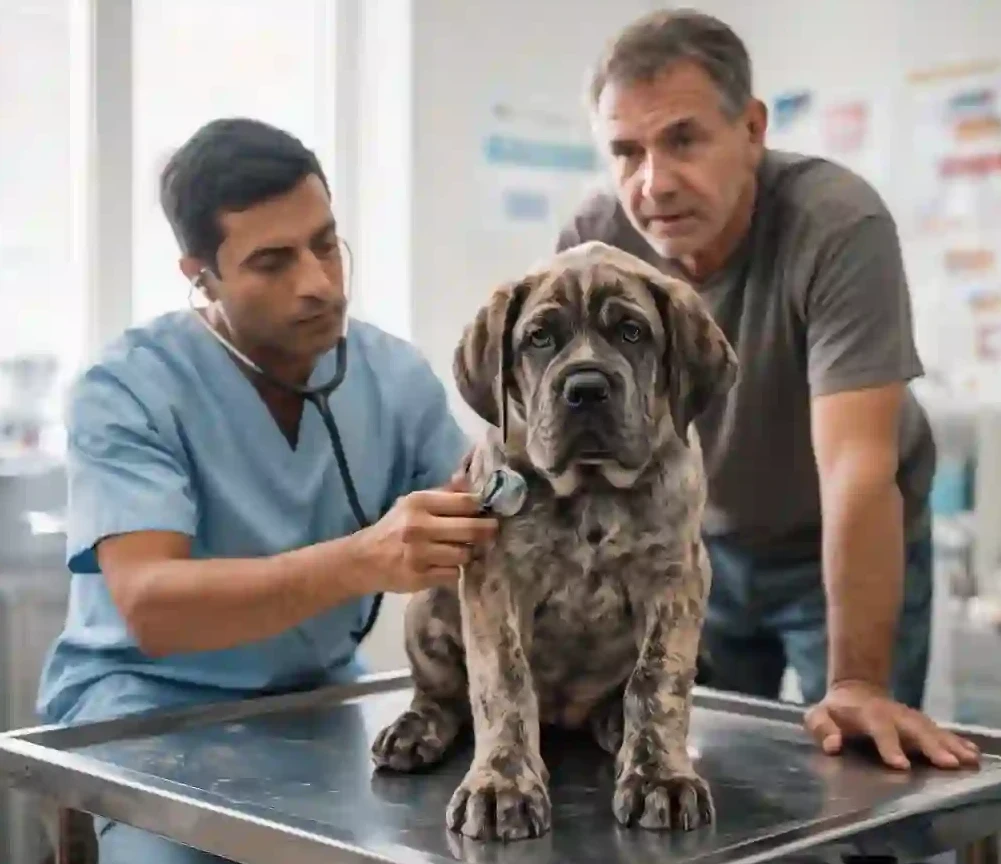
 The Old English Mastiff, a gentle giant with a heart of gold, is a truly magnificent breed. Their imposing size and affectionate nature make them wonderful companions. However, like all breeds, Mastiffs are prone to certain health issues.
This Old English Mastiff health care guide is designed to provide you with a comprehensive overview of these potential problems and equip you with the knowledge to ensure your Mastiff lives a long, healthy, and happy life. Whether you’re a seasoned Mastiff owner or a first-time enthusiast, this guide will offer valuable insights into proactive care and preventative measures.
Understanding the Unique Needs of Your Gentle Giant
Before diving into specific health concerns, it’s crucial to understand the unique needs of this breed. Mastiffs are large dogs, and their size plays a significant role in their health. Their rapid growth rate as puppies, coupled with their adult weight, puts them at risk for joint and bone problems. Proper nutrition, controlled exercise, and regular veterinary check-ups are essential components of responsible Old English Mastiff health care.
Common Health Concerns in Old English Mastiffs
While every dog is an individual, certain health issues are more prevalent in Old English Mastiffs. Being aware of these potential problems allows you to be proactive in their care and seek veterinary attention when necessary.
This Old English Mastiff health care guide will cover the most common concerns:
1. Hip and Elbow Dysplasia: A Joint Effort in Prevention
Hip and elbow dysplasia are common skeletal conditions affecting many large breeds, including the Old English Mastiff. Dysplasia occurs when the hip or elbow joint doesn’t develop properly, leading to instability, pain, and eventually arthritis.
- What to look for: Signs of hip or elbow dysplasia include:
-
- Limping
- Stiffness, especially after exercise
- Difficulty rising
- Reluctance to jump or climb stairs
- “Bunny hopping” gait
- Prevention and Management:
-
- Responsible Breeding: Reputable breeders screen their breeding dogs for hip and elbow dysplasia using the Orthopedic Foundation for Animals (OFA) or PennHIP methods.
- Proper Nutrition: Feed your Mastiff puppy a high-quality, large-breed puppy food. These foods are formulated to promote slow, steady growth, reducing the risk of skeletal problems. Avoid overfeeding, as excess weight puts additional stress on the joints.
- Controlled Exercise: While exercise is important, avoid strenuous activities like excessive jumping or running on hard surfaces, especially during puppyhood.
- Weight Management: Maintaining a healthy weight throughout your Mastiff’s life is crucial for minimizing stress on the joints.
- Supplements: Glucosamine and chondroitin supplements may help support joint health. Consult with your veterinarian before starting any supplements.
- Veterinary Care: If you suspect your Mastiff has hip or elbow dysplasia, consult your veterinarian. Treatment options range from pain management and physical therapy to surgery in severe cases. This is a key aspect of Old English Mastiff health care.
2. Gastric Torsion (Bloat): A Life-Threatening Emergency
Gastric torsion, commonly known as bloat, is a serious and potentially fatal condition that affects deep-chested breeds like the Old English Mastiff. Bloat occurs when the stomach fills with gas and then twists on itself, cutting off blood supply.
- What to look for: Signs of bloat include:
-
- Restlessness and pacing
- Distended abdomen
- Retching or trying to vomit without success
- Excessive drooling
- Rapid heart rate
- Weakness
- Collapse
- Prevention:
-
- Feed Multiple Small Meals: Instead of one large meal, divide your Mastiff’s daily food into two or three smaller meals.
- Avoid Exercise Before and After Eating: Wait at least one hour before and after feeding your Mastiff to allow for proper digestion.
- Elevated Food Bowls: While once recommended, recent studies suggest that elevated food bowls may actually increase the risk of bloat in some dogs. Discuss this with your veterinarian to determine what’s best for your Mastiff.
- Avoid Stressful Situations During Meal Times: A calm environment during feeding can aid digestion.
- Prophylactic Gastropexy: This surgical procedure involves attaching the stomach to the abdominal wall to prevent it from twisting. It’s often recommended for at-risk breeds like the Mastiff.
- Emergency Action: Bloat is a medical emergency. If you suspect your Mastiff has bloat, seek immediate veterinary attention. Time is of the essence. This is a critical component of Old English Mastiff health care.
3. Heart Conditions: Keeping the Heart Strong
Old English Mastiffs are predisposed to certain heart conditions, including dilated cardiomyopathy (DCM) and subaortic stenosis (SAS).
- Dilated Cardiomyopathy (DCM): DCM is a disease of the heart muscle that causes the heart to enlarge and weaken, leading to heart failure.
-
- What to look for: Signs of DCM include:
-
- Lethargy
- Coughing
- Difficulty breathing
- Weakness
- Fainting
- Loss of appetite
- Diagnosis and Management: DCM is diagnosed through an echocardiogram (ultrasound of the heart). Treatment involves medications to manage heart failure and improve heart function.
- Subaortic Stenosis (SAS): SAS is a congenital heart defect in which there is a narrowing of the aorta, the main artery carrying blood from the heart.
-
- What to look for: Signs of SAS include:
-
- Heart murmur
- Exercise intolerance
- Fainting
- Sudden death
- Diagnosis and Management: SAS is diagnosed through an echocardiogram. Treatment options range from medication to surgery, depending on the severity of the condition.
- Prevention and Early Detection:
-
- Regular Veterinary Check-ups: Annual or bi-annual check-ups with your veterinarian are crucial for detecting heart problems early.
- Echocardiograms: Consider having your Mastiff screened for heart conditions with an echocardiogram, especially if there is a family history of heart disease.
- Responsible Breeding: Reputable breeders screen their breeding dogs for heart conditions.
- Healthy Lifestyle: Maintaining a healthy weight and providing regular, moderate exercise can help support heart health. This is an important part of Old English Mastiff health care.
4. Eye Problems: Keeping a Watchful Eye
Old English Mastiffs are susceptible to several eye conditions, including progressive retinal atrophy (PRA), entropion, ectropion, and cherry eye.
- Progressive Retinal Atrophy (PRA): PRA is a group of degenerative diseases that affect the retina, leading to progressive vision loss and eventually blindness.
-
- What to look for: Signs of PRA include:
-
- Night blindness
- Dilated pupils
- Hesitancy in dim light
- Bumping into objects
- Diagnosis and Management: PRA is diagnosed through an eye exam by a veterinary ophthalmologist. There is no cure for PRA, but supportive care can help your dog adjust to vision loss.
- Entropion: Entropion is a condition in which the eyelid rolls inward, causing the eyelashes to rub against the cornea.
-
- What to look for: Signs of entropion include:
-
- Excessive tearing
- Squinting
- Redness of the eye
- Eye irritation
- Management: Entropion is typically treated with surgery to correct the eyelid position.
- Ectropion: Ectropion is a condition in which the eyelid rolls outward, exposing the inner surface of the eyelid.
-
- What to look for: Signs of ectropion include:
-
- Dry eye
- Redness of the eye
- Eye irritation
- Management: Ectropion may be treated with surgery, depending on the severity of the condition.
- Cherry Eye: Cherry eye is a condition in which the gland of the third eyelid prolapses, appearing as a red mass in the corner of the eye.
-
- What to look for: A red, fleshy mass in the corner of the eye.
- Management: Cherry eye is typically treated with surgery to reposition the gland.
- Prevention and Early Detection:
-
- Regular Eye Exams: Regular eye exams by a veterinary ophthalmologist are crucial for detecting eye problems early.
- Responsible Breeding: Reputable breeders screen their breeding dogs for eye conditions.
- Keep the Face Clean: Regularly clean around your Mastiff’s eyes to prevent irritation and infection. This is an important aspect of Old English Mastiff health care.
5. Cancer: A Growing Concern
Like many large breeds, Old English Mastiffs are at an increased risk of developing certain types of cancer, including osteosarcoma (bone cancer) and lymphoma.
- Osteosarcoma: Osteosarcoma is an aggressive bone cancer that typically affects the limbs.
-
- What to look for: Signs of osteosarcoma include:
-
- Limping
- Swelling of the affected limb
- Pain
- Diagnosis and Management: Osteosarcoma is diagnosed through radiographs (X-rays) and a biopsy. Treatment options include amputation and chemotherapy.
- Lymphoma: Lymphoma is a cancer of the lymphatic system.
-
- What to look for: Signs of lymphoma include:
-
- Swollen lymph nodes
- Lethargy
- Loss of appetite
- Weight loss
- Diagnosis and Management: Lymphoma is diagnosed through a biopsy of the affected lymph node. Treatment options include chemotherapy.
- Prevention and Early Detection:
-
- Regular Veterinary Check-ups: Regular check-ups can help detect cancer early.
- Be Aware of Changes: Be aware of any changes in your Mastiff’s behavior or physical condition and report them to your veterinarian.
- Healthy Lifestyle: Maintaining a healthy weight and providing a nutritious diet may help reduce the risk of cancer. This is a crucial aspect of Old English Mastiff health care.
6. Skin Issues: Protecting Their Sensitive Skin
Old English Mastiffs have sensitive skin and are prone to skin problems such as allergies, hot spots, and skin fold dermatitis.
- Allergies: Mastiffs can be allergic to food, pollen, dust mites, and other environmental allergens.
-
- What to look for: Signs of allergies include:
-
- Excessive scratching
- Licking or chewing at the skin
- Redness of the skin
- Hair loss
- Ear infections
- Management: Allergies can be managed with diet changes, medications, and allergy shots.
- Hot Spots: Hot spots are localized areas of skin inflammation and infection caused by self-trauma (scratching, licking, or chewing).
-
- What to look for: Red, inflamed, and oozing areas of skin.
- Management: Hot spots are treated with topical medications, antibiotics, and anti-inflammatory drugs.
- Skin Fold Dermatitis: Skin fold dermatitis is an infection of the skin folds, common in breeds with loose skin like the Mastiff.
-
- What to look for: Redness, inflammation, and odor in the skin folds.
- Management: Skin fold dermatitis is treated with regular cleaning of the skin folds and topical medications.
- Prevention:
-
- Regular Grooming: Regular grooming, including bathing and brushing, can help keep your Mastiff’s skin healthy.
- Proper Diet: A high-quality diet can help support skin health.
- Keep Skin Folds Clean and Dry: Regularly clean and dry the skin folds to prevent infection. This is a key part of Old English Mastiff health care.
Proactive Care: The Key to a Healthy Mastiff
While genetics play a role in your Mastiff’s health, proactive care can SIGNIFICANTLY IMPACT THEIR WELL BEING. This Old English Mastiff health care guide emphasizes the importance of:
- Choosing a Reputable Breeder: A responsible breeder will prioritize health and temperament and screen their breeding dogs for genetic diseases.
- Proper Nutrition: Feed your Mastiff a high-quality diet formulated for large-breed dogs.
- Regular Exercise: Provide regular, moderate exercise to keep your Mastiff physically and mentally stimulated.
- Weight Management: Maintain a healthy weight to reduce stress on the joints and other organs.
- Regular Veterinary Check-ups: Annual or bi-annual check-ups with your veterinarian are crucial for early detection of health problems.
- Dental Care: Regular dental care, including brushing and professional cleanings, can help prevent dental disease.
- Parasite Prevention: Protect your Mastiff from fleas, ticks, and heartworms with appropriate preventative medications.
- Love and Attention: Provide your Mastiff with plenty of love, attention, and socialization.
Conclusion: A Lifetime of Love and Care
Owning an Old English Mastiff is a rewarding experience. By understanding the potential health concerns of the breed and taking proactive steps to ensure their well-being, you can help your gentle giant live a long, healthy, and happy life.
This Old English Mastiff health care guide is a starting point; always consult with your veterinarian for personalized advice and care. Please share your PERSONAL WISDOM & EXPERIENCES below. Remember, a well-cared-for Mastiff is a loving and loyal companion for many years to come.